Water Extraction & Removal in Jamaica, NY
Every hour that water sits, it wicks higher into drywall and deeper into subfloor. The extraction crew pulls it out first, so the drying that follows has a chance.
(888) 527-9860Call now for emergency water removal in Jamaica- Truck-mounted extraction
- IICRC S500 drying standard
- 24/7 dispatch
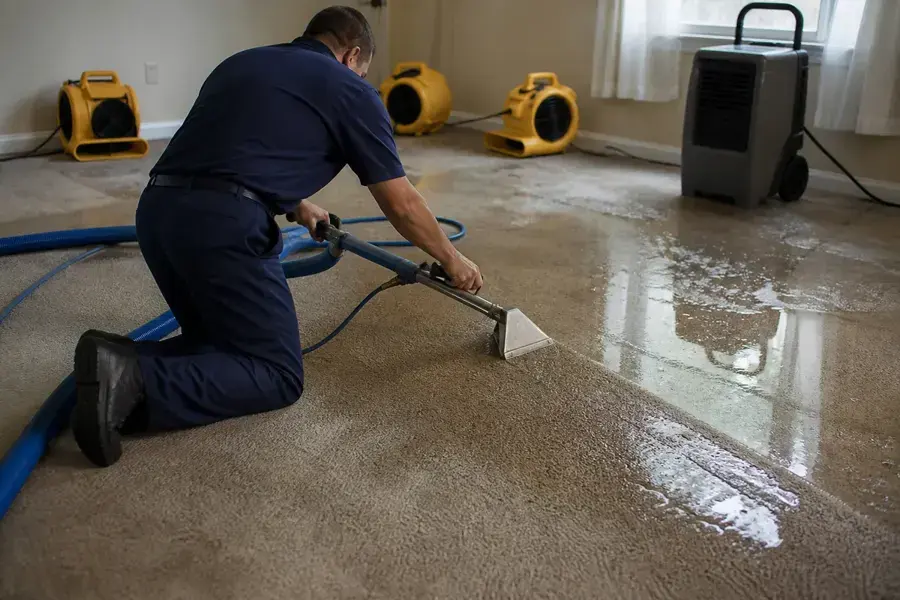
What to do the moment you find standing water
- 1Shut the water off
Close the main valve if the source is plumbing. In most Jamaica houses it sits where the service line enters the basement.
- 2Cut power to wet circuits
If the panel is dry and safe to reach, turn off breakers for rooms with standing water.
- 3Photograph before moving
Take wide shots and close-ups of every wet room before anything is lifted or thrown out.
- 4Lift what you can
Move rugs, boxes and electronics up and out of the water, then call.
How the crew handles standing water
- AMeasure the spread
The tech who does the walkthrough maps moisture past the visible edge of the water.
- BPump or extract
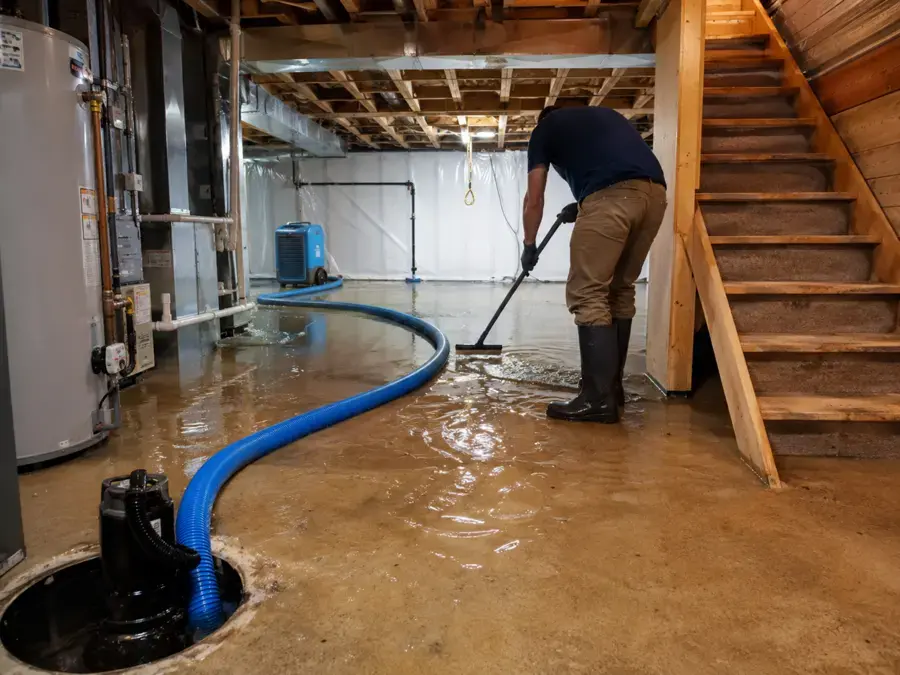
Deep water gets a submersible pump; the rest comes out with truck-mounted extraction wands.
- CPull carpet water
Weighted extraction tools squeeze water out of carpet and pad before any decision on removal.
- DSet drying equipment
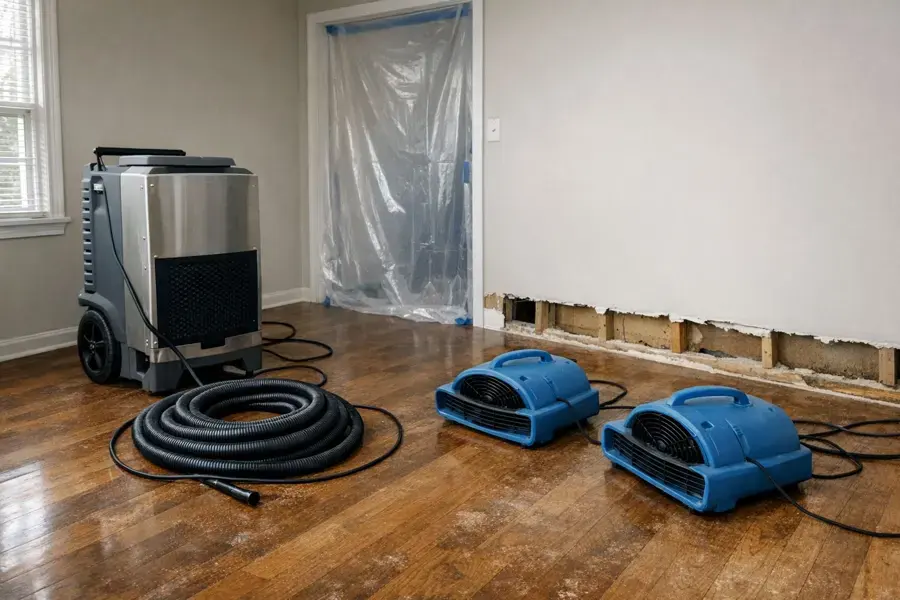
Air movers and LGR dehumidifiers go in the same visit, sized to each room.
Water extraction is the first step on almost every water loss in Jamaica, Queens, from a burst supply line on the second floor to a basement that took on storm water overnight. The goal is simple: get liquid water out of the building before it moves into materials, because removing water as liquid is far faster than evaporating it later.
What does water extraction & removal cost in Jamaica, NY?
In Jamaica, NY, water extraction typically runs $300 to $3,500, depending on how much standing water there is, the water category, the square footage and whether carpet and pad hold water.
One room, clean water
$300 to $900
- Surface water on hard floor
- Short extraction visit
- Moisture check
Basement or multi-room
$900 to $2,200
- Pump plus truck-mount
- Carpet and pad extraction
- Drying set on the first visit
Deep or contaminated
$2,200 to $3,500+
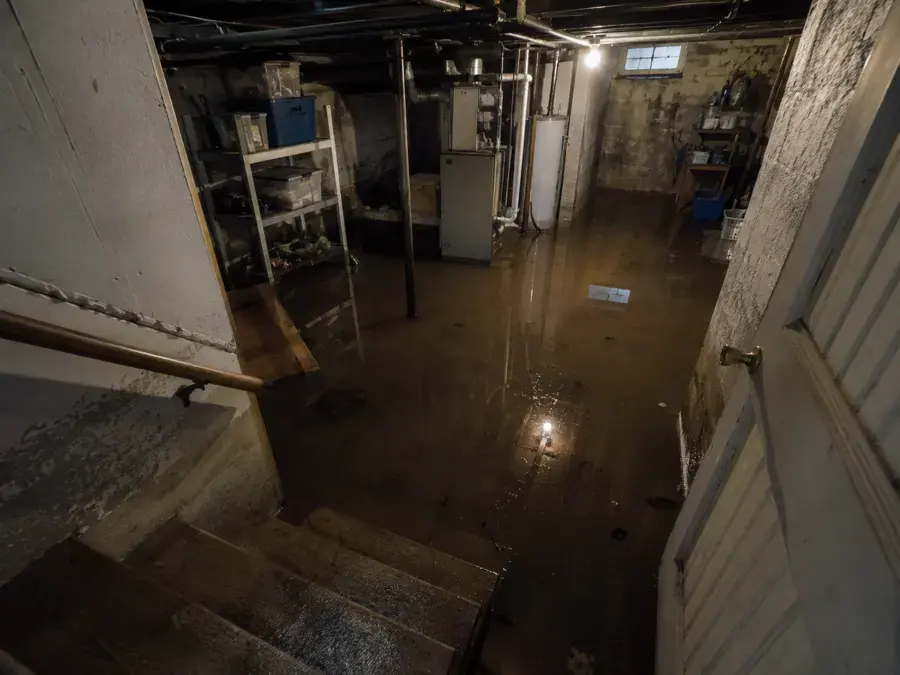
- Inches of standing water
- Category 2 or 3 handling
- Material removal
Drivers: the water category, the square footage, the material class and how fast drying started. For a planning range, try the water damage cost calculator.
How standing water is handled in Jamaica
- 1
Moisture mapping
The tech who does the walkthrough maps wet materials with thermal imaging and pinless meters first.
- 2
Extraction
The extraction crew pulls standing water out with truck-mounted extraction, so it leaves the building.
- 3
Air movers and LGR
Air movers are set to each room's evaporation load; LGR dehumidifiers pull the moisture from the air.
- 4
Dry verification
Crews log readings daily and pull equipment once wet material is within 2 to 4 points of a dry reference.
Why extraction comes before drying
A gallon of water on a floor can be pulled out in seconds. The same gallon, once it soaks into carpet pad, drywall and subfloor, can take days of air movers and dehumidifiers to remove. That is why the extraction crew works fast on arrival and why truck-mounted extraction matters: the recovered water leaves the house through the hose instead of being pushed around with a shop vacuum.
- Submersible pumps handle deep water in basements and at the bottom of stairs.
- Truck-mounted units pull water out of carpet, pad and hard floors.
- Weighted extraction tools squeeze carpet so less water is left for the dehumidifiers.
- Thermal imaging and pinless meters confirm where water went under walls and cabinets.
What happens to wet carpet, pad and flooring
Clean water on carpet can often be extracted and dried in place. Pad usually absorbs more than carpet and is cheaper to replace than to dry, so many drying teams pull it. Category 3 water, the kind that comes up a floor drain during a sewer backup, changes the rule: porous materials touched by Category 3 water get removed, not dried. Hardwood and laminate need their own plan, covered on the structural drying page.
Extraction is not the end of the job. Water that has already wicked into walls and subfloor still has to be dried to the IICRC S500 goal, confirmed with daily readings.
Staying safe around standing water
Standing water and electricity do not mix. Stay out of flooded rooms where outlets, cords or appliances sit in the water, and do not use a household vacuum on it. The Ready.gov flood guidance covers safe re-entry after flooding, and NYC Emergency Management posts storm and flood alerts for Queens.
Covering Jamaica and the neighborhoods around it
The Jamaica water damage pros take calls from Jamaica Center, Jamaica Estates, Jamaica Hills, South Jamaica, Rochdale Village, St. Albans, Addisleigh Park, Hollis, Briarwood, Kew Gardens, Richmond Hill, South Ozone Park and Springfield Gardens, plus the JFK Airport side of Southeast Queens.
The restoration team asks for the cross street and which floor is wet, because that decides what goes on the truck.
See every neighborhood and ZIP codeRelated water damage services in Jamaica
Water extraction questions, Jamaica, NY
How fast does standing water need to come out?
As soon as possible. Water starts wicking into drywall and subfloor right away, and mold can start inside 24 to 48 hours in warm, damp conditions. Extraction first, then drying, is the order that limits damage.
Can a shop vacuum do the same job?
A shop vacuum helps with a small spill, but it holds a few gallons and leaves carpet and pad wet. Truck-mounted extraction removes far more water per pass, which cuts days off the drying time.
Will the carpet have to be thrown out?
Not always. Carpet soaked with clean water can often be extracted and dried in place, though the pad is usually replaced. Carpet touched by sewage or flood water is removed.
Does extraction include drying?
Extraction removes liquid water. Drying removes the moisture left in materials, using air movers and LGR dehumidifiers, and it is confirmed with daily moisture readings.
Is water extraction covered by insurance?
Extraction after a sudden and accidental discharge, such as a burst pipe, is often part of a covered claim. Flood water from outside falls under flood coverage. Coverage depends on your policy, so it is worth checking with your own insurer.
What should I move before help gets there?
If it is safe, lift rugs, boxes, electronics and anything that can bleed dye onto the floor. Photograph the rooms first so the file shows the water as it was.
Standing water in a Jamaica home? Call now.
The extraction crew pulls the water out first, then sets the drying equipment the same visit.