Sewer Backup & Sewage Cleanup in Jamaica, NY
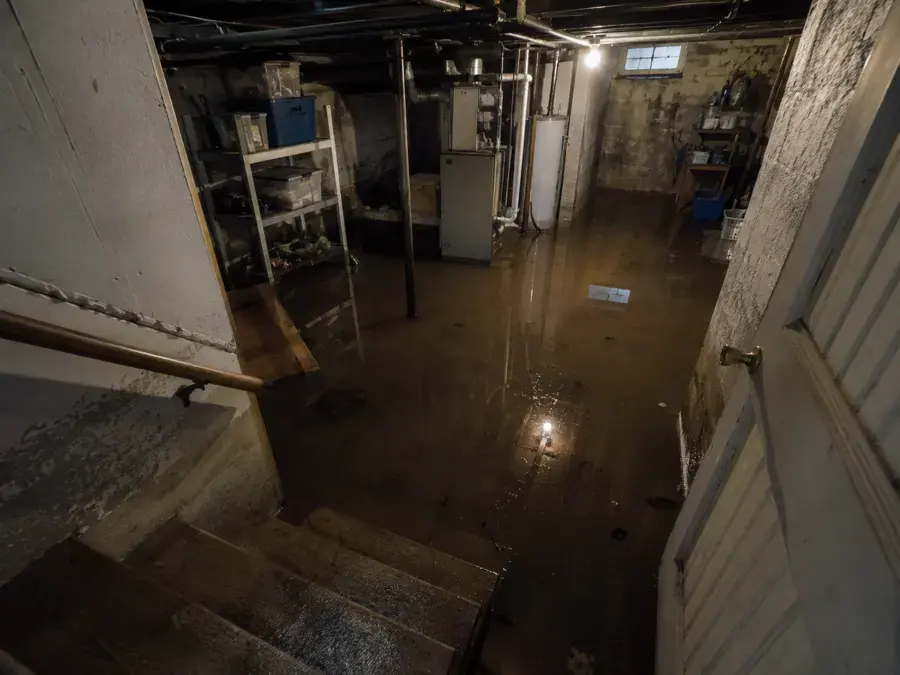
When a cloudburst overloads the sewers, the lowest drain in the house becomes the way out. Sewage backup is Category 3 the moment it happens, and it is handled that way from the first step.
(888) 527-9860Call for sewage backup cleanup in Jamaica- Category 3 protocol
- Containment and HEPA
- EPA-registered antimicrobial
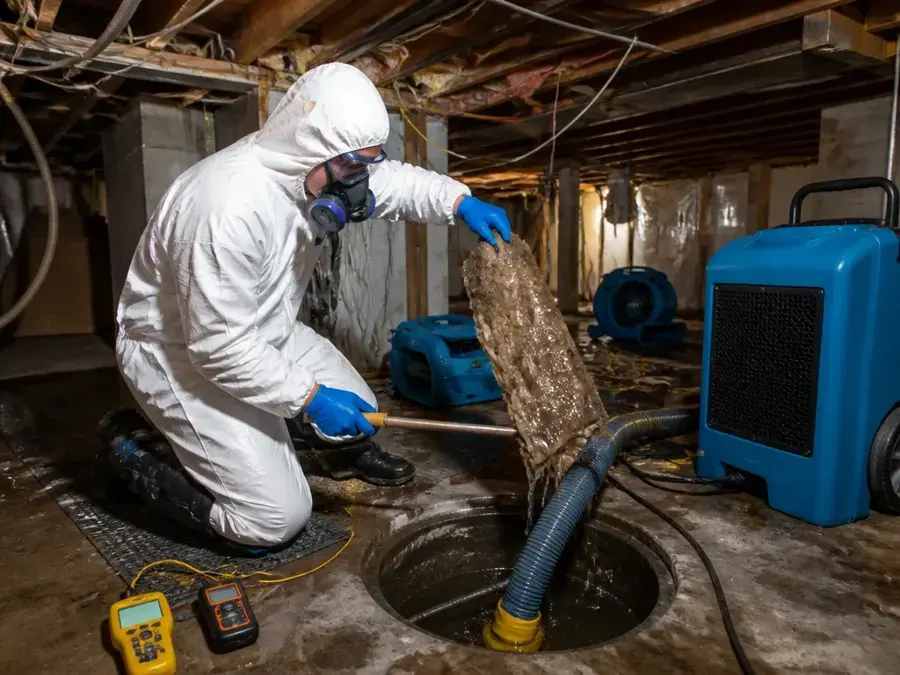
What to do the moment you find a sewer backup
- 1Keep people and pets out
Sewage carries bacteria and viruses. Children, older adults and anyone sick should stay away.
- 2Stop running water
Do not flush, shower or run the washer. Water sent down any drain can come back up the lowest one.
- 3Do not touch it
Skip the mop and the bleach. Disturbing sewage spreads it.
- 4Ventilate from outside
If a window can be opened from outside the room, open it. Then call.
How the crew handles a sewer backup
- AContain the area
The mitigation team seals the work zone and runs HEPA air scrubbers.
- BRemove the water and solids
The extraction crew pulls sewage out in full protective gear.
- CRemove porous materials
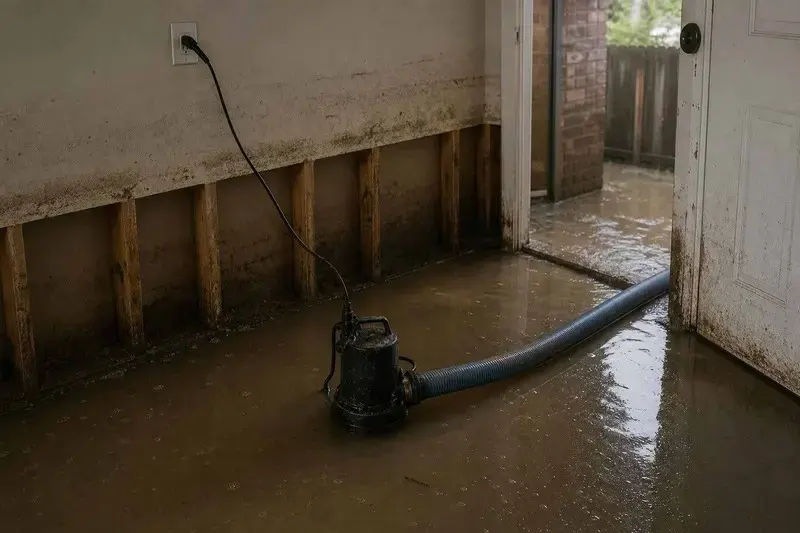
Carpet, pad, drywall and insulation touched by sewage come out and are bagged.
- DClean, treat and dry
Surfaces are cleaned, treated with an EPA-registered antimicrobial at its dwell time, then dried.
Sewer backups are a recurring problem in Jamaica and across Southeast Queens. Much of New York City runs on combined sewers, which carry both storm water and household wastewater, and older parts of the area were built with limited storm drainage. When a heavy downpour arrives faster than the pipes can carry it, the system surcharges and water finds the lowest opening, usually a basement floor drain, toilet or shower.
What does sewer backup & sewage cleanup cost in Jamaica, NY?
In Jamaica, NY, sewer backup cleanup typically runs $2,500 to $12,000, because Category 3 water requires containment, removal of porous materials, antimicrobial treatment and drying. The drivers are square footage, how high the water reached and what finishes were in the room.
Floor drain, small area
$2,500 to $4,500
- Containment and extraction
- Antimicrobial treatment
- Drying and readings
Finished basement
$4,500 to $8,500
- Drywall and flooring removal
- HEPA air scrubbing
- Structural drying
Whole level or deep
$8,500 to $12,000+
- Extensive removal
- Contents triage
- Full claim documentation
Drivers: the water category, the square footage, the material class and how fast drying started. For a planning range, try the water damage cost calculator.
How a sewer backup is handled in Jamaica
- 1
Moisture mapping
The tech who does the walkthrough maps wet materials with thermal imaging and pinless meters first.
- 2
Extraction
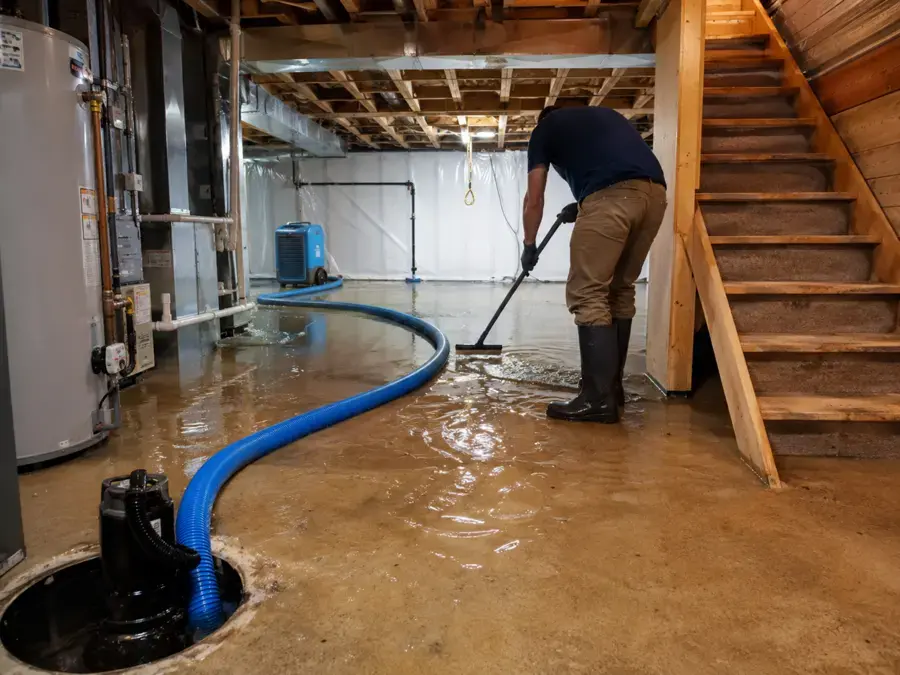
The extraction crew pulls standing water out with truck-mounted extraction, so it leaves the building.
- 3
Air movers and LGR
Air movers are set to each room's evaporation load; LGR dehumidifiers pull the moisture from the air.
- 4
Dry verification
Crews log readings daily and pull equipment once wet material is within 2 to 4 points of a dry reference.
Why sewage is handled differently
Sewage is Category 3 water from the first minute. It carries bacteria, viruses and other pathogens, and household cleaners do not make porous materials safe again. That is why the rule is simple: porous materials touched by Category 3 water get removed, not dried. Carpet, pad, drywall, insulation and upholstered furniture come out. Concrete, tile, metal and sealed wood are cleaned and treated in place.
- Containment keeps contaminated dust and droplets in the work area
- HEPA air scrubbers clean the air during removal
- An EPA-registered antimicrobial is applied and left for its labeled dwell time
- Drying and readings follow, the same as a clean loss
Backups after cloudbursts
The remnants of Hurricane Ida in September 2021 and the September 2023 cloudburst both pushed water back into Queens basements, and smaller summer storms do it on a smaller scale most years. A backwater valve on the building sewer, installed by a plumber, is the most common prevention step. The NYC Department of Environmental Protection explains how to report a sewer backup and how the city sewer system works, and Ready.gov flood guidance covers health risks around contaminated flood water.
Sewage mixed with storm water is still Category 3. So is a toilet overflow that has sat for a while. When in doubt, the crew treats it as contaminated.
Covering Jamaica and the neighborhoods around it
The Jamaica water damage pros take calls from Jamaica Center, Jamaica Estates, Jamaica Hills, South Jamaica, Rochdale Village, St. Albans, Addisleigh Park, Hollis, Briarwood, Kew Gardens, Richmond Hill, South Ozone Park and Springfield Gardens, plus the JFK Airport side of Southeast Queens.
The restoration team asks for the cross street and which floor is wet, because that decides what goes on the truck.
See every neighborhood and ZIP codeRelated water damage services in Jamaica
Sewer backup and sewage cleanup questions, Jamaica, NY
Is it safe to clean up a small sewer backup myself?
It is not recommended. Even a small backup carries pathogens, and household cleaners do not neutralize what soaks into porous materials. A protected crew with containment and an EPA-registered antimicrobial is the safer route.
What has to be thrown out after a sewer backup?
Porous materials that the sewage touched, such as carpet, pad, the lower part of drywall, insulation and upholstered furniture, are usually removed. Hard, non-porous surfaces are cleaned and treated in place.
Is sewer backup covered by homeowners insurance?
Many policies cover sewer backup only with a separate sewer or water backup endorsement. Coverage depends on your policy, so it is worth checking with your own insurer.
Why did sewage come up my floor drain during a storm?
When heavy rain overloads the combined sewer, water backs up the building sewer and exits at the lowest opening. A backwater valve helps stop that flow.
How is the smell removed?
The odor comes from contaminated water and the materials it soaked. Removing those materials, cleaning and treating surfaces, and drying the structure removes the source rather than masking it.
How long does sewage cleanup take?
Removal and treatment usually take one to two days, and drying often takes another three to five. Larger losses with more material removal take longer.
Sewage coming up a Jamaica floor drain? Call now.
Category 3 cleanup with containment, HEPA air scrubbing, antimicrobial treatment and drying.