Storm & Flash Flood Cleanup in Jamaica, NY
Queens storms now drop rain faster than streets and sewers can take it. When that water gets inside, the flood crew pulls it out, sorts what can be saved and dries the structure.
(888) 527-9860Talk to someone about the flooding in Jamaica now- Flood water is Category 3
- Truck-mounted extraction
- Claim documentation
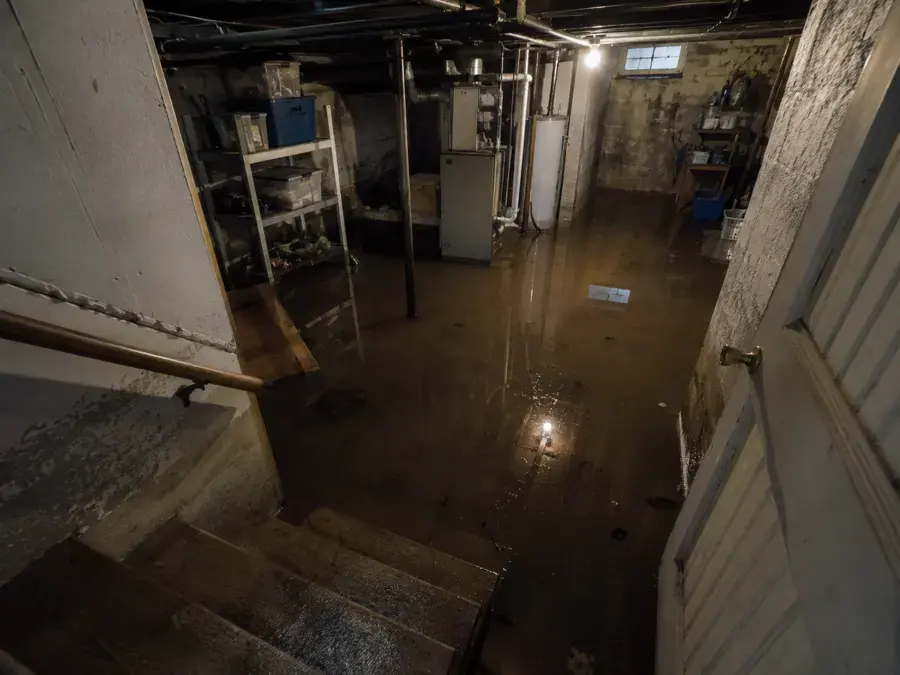
What to do the moment you find storm flood water
- 1Get out of below-grade rooms
Basement units flood fast in a cloudburst. People first, property second.
- 2Stay out of moving water
Six inches of moving water can knock an adult down. Wait for it to stop rising.
- 3Cut power if it is safe
Only from a dry spot. If the panel is in the flooded basement, leave it for the utility or an electrician.
- 4Document the high-water line
Photograph the mark the water left on walls. Adjusters look for it.
How the crew handles storm flood water
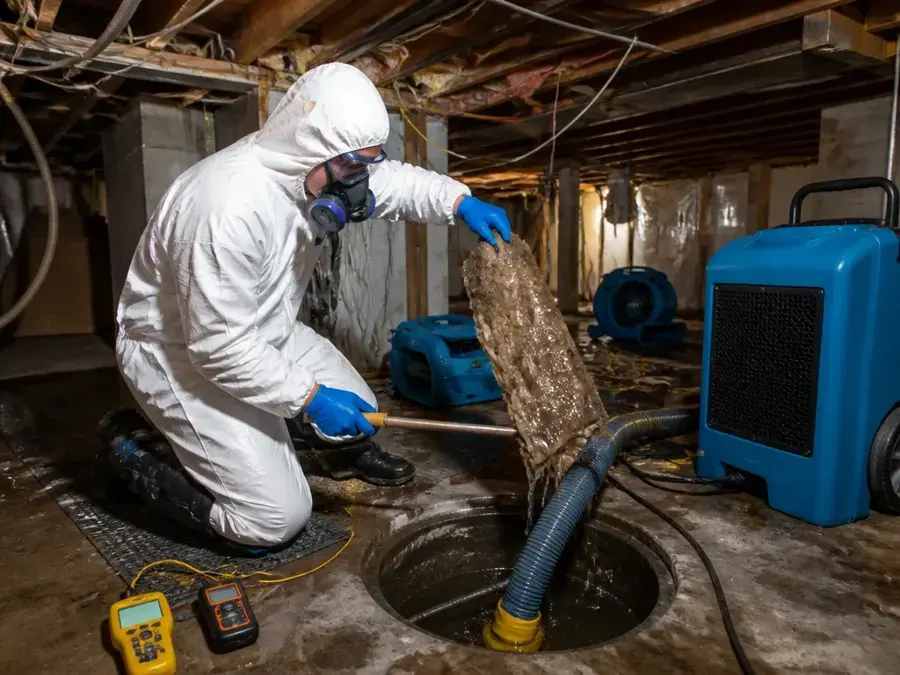
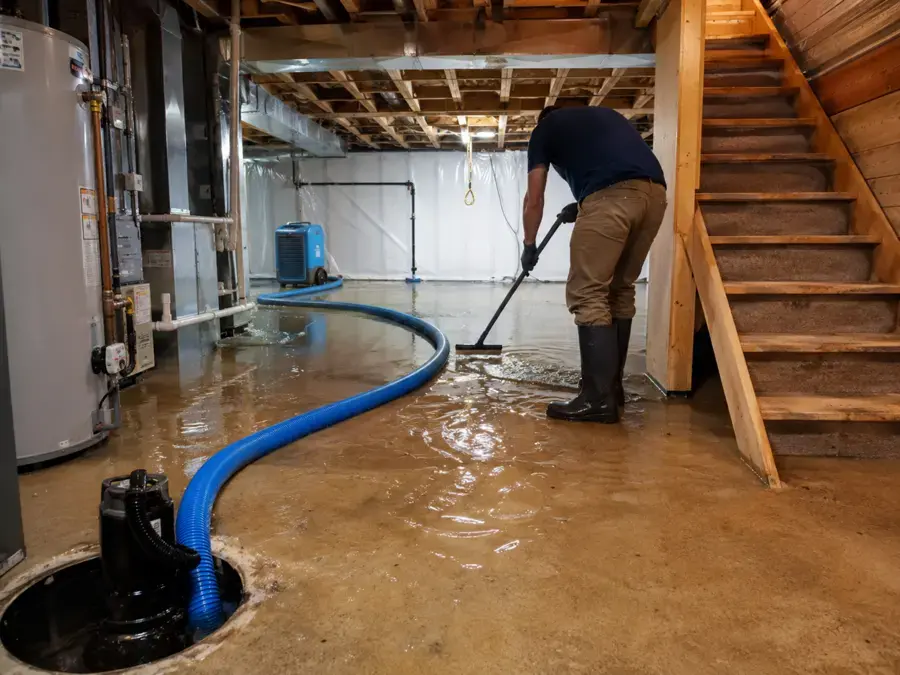
- APump and extract
The extraction crew pumps deep water and extracts the rest.
- BMuck out
Mud, debris and ruined contents are removed and documented.
- CRemove porous materials
Flood water is Category 3, so wet drywall, insulation and carpet come out.
- DTreat and dry
Antimicrobial treatment, then air movers and LGR dehumidifiers to the goal.
Jamaica sits in the part of Queens where flash flooding has become a regular summer risk. The remnants of Hurricane Ida on September 1, 2021 flooded basement apartments across the borough, including in Hollis, and the September 2023 cloudburst set a single-day rainfall record at JFK Airport. Low, flat blocks in South Jamaica and Springfield Gardens, closer to Jamaica Bay, drain slowly even in ordinary heavy rain.
What does storm & flash flood cleanup cost in Jamaica, NY?
In Jamaica, NY, storm and flash flood cleanup typically runs $3,000 to $15,000, depending on the depth of the water, the square footage, how much finished material it touched and how fast drying started after the storm.
Shallow, one area
$3,000 to $5,500
- Extraction and muck-out
- Flood cuts
- Treatment and drying
Full basement
$5,500 to $10,000
- Porous removal
- Contents triage
- Structural drying
Basement plus first floor
$10,000 to $15,000+
- Deep water removal
- Multi-level drying
- Detailed claim file
Drivers: the water category, the square footage, the material class and how fast drying started. For a planning range, try the water damage cost calculator.
How storm flood water is handled in Jamaica
- 1
Moisture mapping
The tech who does the walkthrough maps wet materials with thermal imaging and pinless meters first.
- 2
Extraction
The extraction crew pulls standing water out with truck-mounted extraction, so it leaves the building.
- 3
Air movers and LGR
Air movers are set to each room's evaporation load; LGR dehumidifiers pull the moisture from the air.
- 4
Dry verification
Crews log readings daily and pull equipment once wet material is within 2 to 4 points of a dry reference.
Flood water is Category 3
Water that comes in from outside has run across streets, yards and sewers. It is treated as Category 3, the same as sewage, no matter how clear it looks. That means porous materials it touched get removed rather than dried, and surfaces are cleaned and treated with an EPA-registered antimicrobial before drying begins.
- Drywall and insulation below the high-water line come out
- Carpet, pad and upholstered furniture are usually discarded
- Solid wood, tile and concrete are cleaned, treated and dried
- The boiler, water heater and electrical panel need a qualified check before use
How storm water gets in
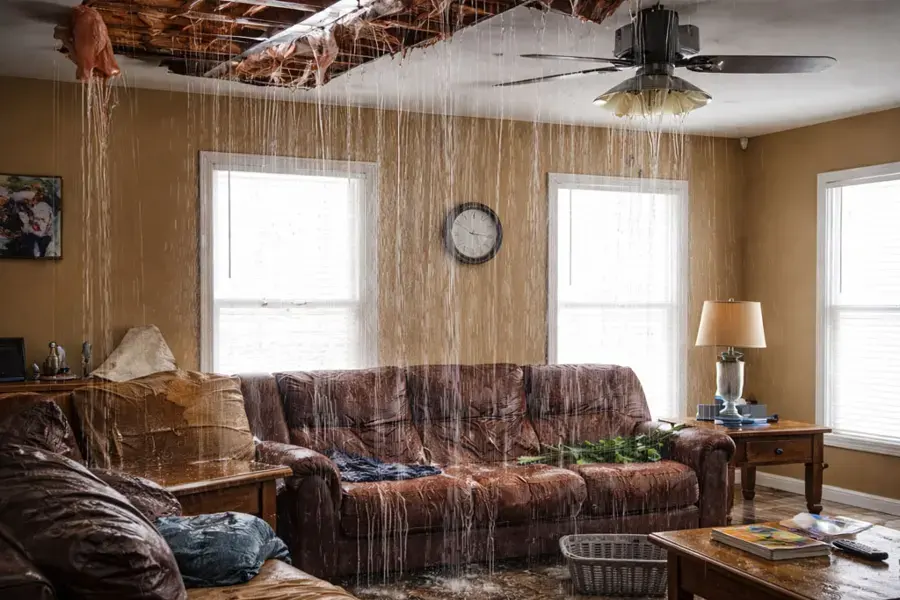
In Jamaica houses the usual entry points are the exterior basement stair, window wells, garage doors at the bottom of a driveway and the floor drain when the sewer backs up. Knowing which one let the water in matters for the claim, because surface flood water and a sewer backup are usually covered, or excluded, under different parts of a policy.
Flood insurance through the National Flood Insurance Program is separate from a homeowners policy. Coverage depends on your policy, so it is worth checking with your own insurer before assuming either way.
Warnings and safety
The National Weather Service flood safety page explains the difference between a flash flood watch and a warning, and NYC Emergency Management runs Notify NYC alerts for Queens. After the water drops, the Ready.gov flood guidance covers safe re-entry.
Covering Jamaica and the neighborhoods around it
The Jamaica water damage pros take calls from Jamaica Center, Jamaica Estates, Jamaica Hills, South Jamaica, Rochdale Village, St. Albans, Addisleigh Park, Hollis, Briarwood, Kew Gardens, Richmond Hill, South Ozone Park and Springfield Gardens, plus the JFK Airport side of Southeast Queens.
The restoration team asks for the cross street and which floor is wet, because that decides what goes on the truck.
See every neighborhood and ZIP codeRelated water damage services in Jamaica
Storm and flash flood cleanup questions, Jamaica, NY
Is storm flood water really as dirty as sewage?
It is treated the same way. Water that crosses streets and yards picks up sewage, fuel, fertilizer and debris, so it is classed as Category 3 and porous materials it touched are removed.
Does homeowners insurance cover flash flooding?
Standard homeowners policies usually exclude surface flooding. Flood coverage is typically a separate policy, often through the National Flood Insurance Program. Coverage depends on your policy, so it is worth checking with your own insurer.
Can the boiler and water heater be used after a flood?
Not until a qualified technician checks them. Flood water damages burners, controls and electrical parts, and running wet equipment can be dangerous.
How high should the walls be cut after a flood?
The mitigation team cuts above the highest wet reading, often a foot or more above the visible water line, because drywall wicks water upward.
What should I throw away after a flood?
Food, medicine and cosmetics touched by flood water, plus porous items like mattresses, carpet and stuffed furniture. Photograph everything before it goes.
How soon should cleanup start after the storm?
As soon as the water stops rising and the building is safe to enter. Mold can start inside 24 to 48 hours, and wet materials keep absorbing water until it is removed.
Storm water inside a Jamaica home? Call now.
Flood water is Category 3. The response team handles removal, treatment and drying in the right order.